VOICING FOR THE BOYCHILD
Community Action Project 2025/2026
Implemented by: Boyhood Echo Organisation
Completion Date: February 2026
Executive Summary
The Voicing for the Boychild project, implemented by Boyhood Echo Organisation, focused on establishing sustainable income-generating activities for a struggling youth group in Maramoja Village. Through this initiative, we provided essential farming equipment including a high-pressure water pump, irrigation pipes, and garlic seedlings to enable the community to generate funds for supporting boychild education.
Objectives
To establish sustainable cash crop farming that generates ongoing funds to support boychild education in the community.
Target Beneficiaries
30 young men from Maramoja Village youth group.
Key Activities
Equipment procurement, agricultural training, land preparation, planting, and ongoing crop management.
Main Outcomes and Impact
Established sustainable farming infrastructure, enhanced community capacity for agricultural production, and created a foundation for ongoing educational support for boys in the community.
Project Background
Location
Full Address: Maramoja Village, Laikipia North Sub-County, Laikipia County, Kenya
Geographic Description: Mountainous, semi-arid region with challenging terrain and climate conditions.
Community Context: The community relies primarily on subsistence farming and livestock keeping. Key challenges include harsh climate conditions, limited access to modern farming techniques, and economic constraints affecting educational opportunities for youth.
Funding and Partners
Funding Source
This project was funded through the Mastercard Foundation Scholars Program Community Action Project (CAP) initiative, which supports innovative community development projects led by scholars and organizations working to create sustainable change.
Project Partners
- Mastercard Foundation: Primary funder through the Scholars Program CAP initiative
- Maramoja Village Youth Group: Local community partner providing land, labor, and ongoing management
- Local Agricultural Experts: Technical advisors for modern farming techniques
- Boyhood Echo Organisation: Project implementer and coordinator
Community Contributions
The project benefited from significant community contributions including land leasing, volunteer labor, and additional funding from group members to ensure project completion and sustainability.
Project Objectives
General Objective
To establish sustainable cash crop farming infrastructure that generates funds for supporting boychild education in Maramoja Village.
Specific Objectives
- Provide essential farming equipment and materials
- Deliver comprehensive agricultural training
- Establish irrigation systems for reliable crop production
- Create sustainable income streams for educational support
Target Beneficiaries
30 young men from the Maramoja Village youth group.
Expected Change
Improved literacy rates and reduced poverty through sustainable agricultural income supporting education.
Implementation Details
Activities Undertaken
Key Activities Completed
- Procurement and installation of water pump and irrigation system
- Comprehensive training on modern garlic farming techniques
- Land preparation including ploughing and basin creation
- Seedling procurement and planting
- Ongoing crop management and irrigation
Implementation Timeline
| Date | Activities |
|---|---|
| December 2025 | Equipment procurement and initial training |
| January 2026 | Land preparation and planting |
| February 2026 | Crop establishment and ongoing management |
Key Milestones
The project successfully established the complete farming infrastructure and planted the first crop cycle. The foundation is now set for sustainable agricultural production.
Resources Utilized
Materials and Equipment
High-pressure water pump, irrigation pipes, agricultural tools, and garlic seedlings.
Human Resources
Community volunteers, agricultural experts, and youth group members.
Project Outcomes and Impact
Quantitative Results
- Number of beneficiaries served: 30
- Number of training sessions conducted: 3
- Hours of community service provided: 80
- Farming infrastructure established: Complete irrigation system
Qualitative Results
Community Feedback: The project has instilled hope and provided practical skills for sustainable development. Community members expressed gratitude for the long-term support framework established for youth education.
Observed Changes: Enhanced community capacity for agricultural production, improved understanding of modern farming techniques, and established foundation for educational funding through sustainable income generation.
Photos and Visual Evidence
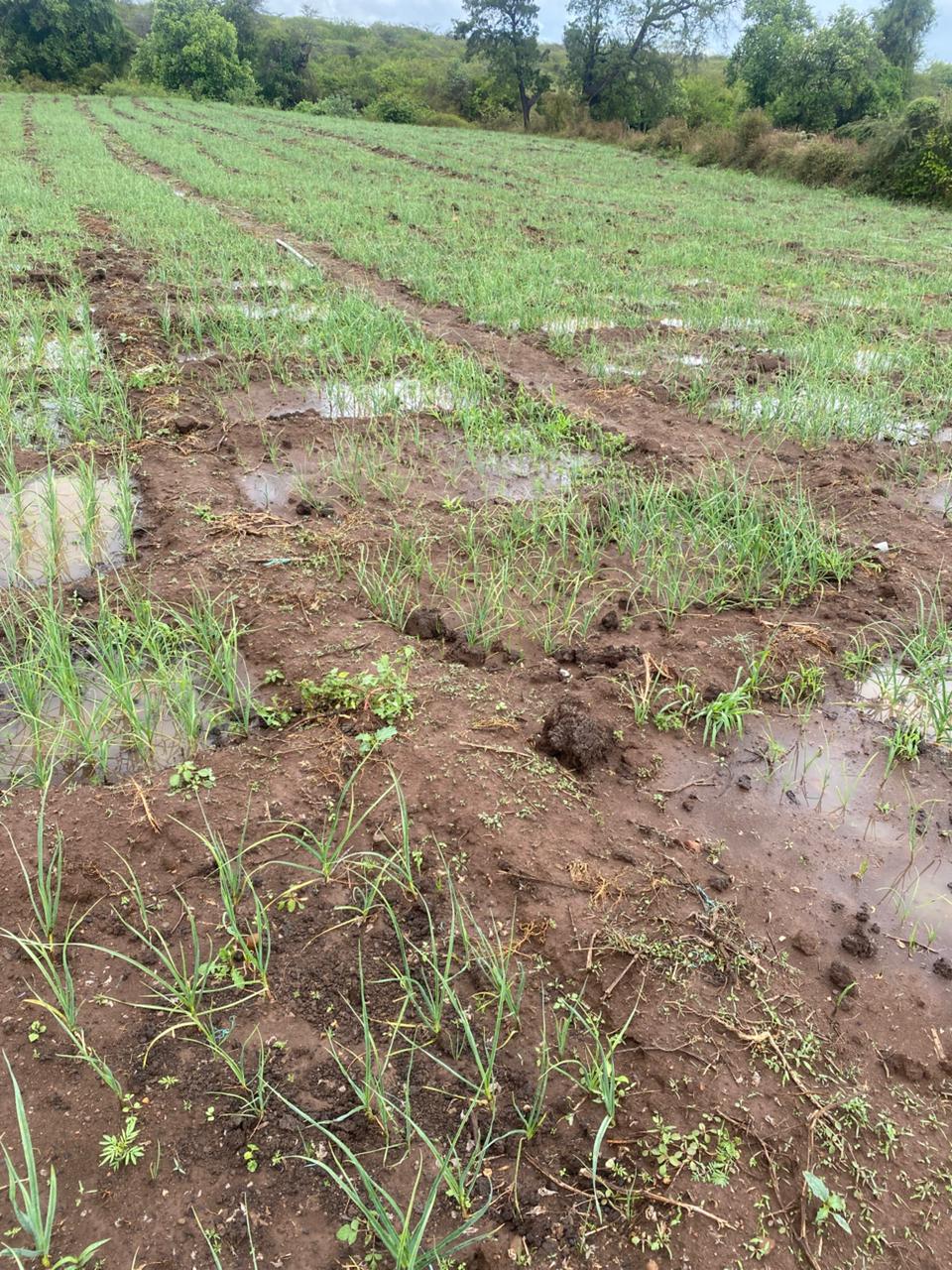
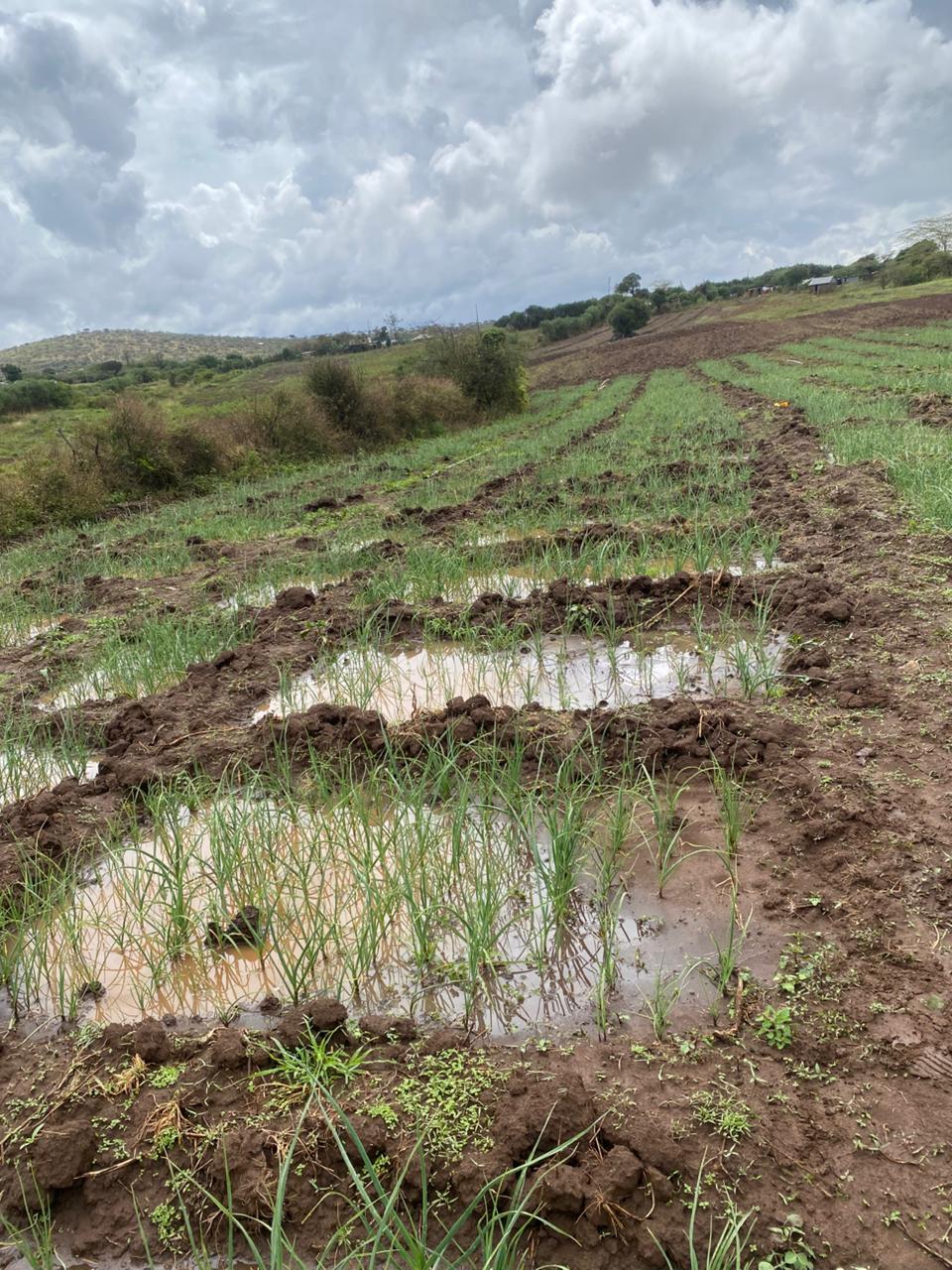
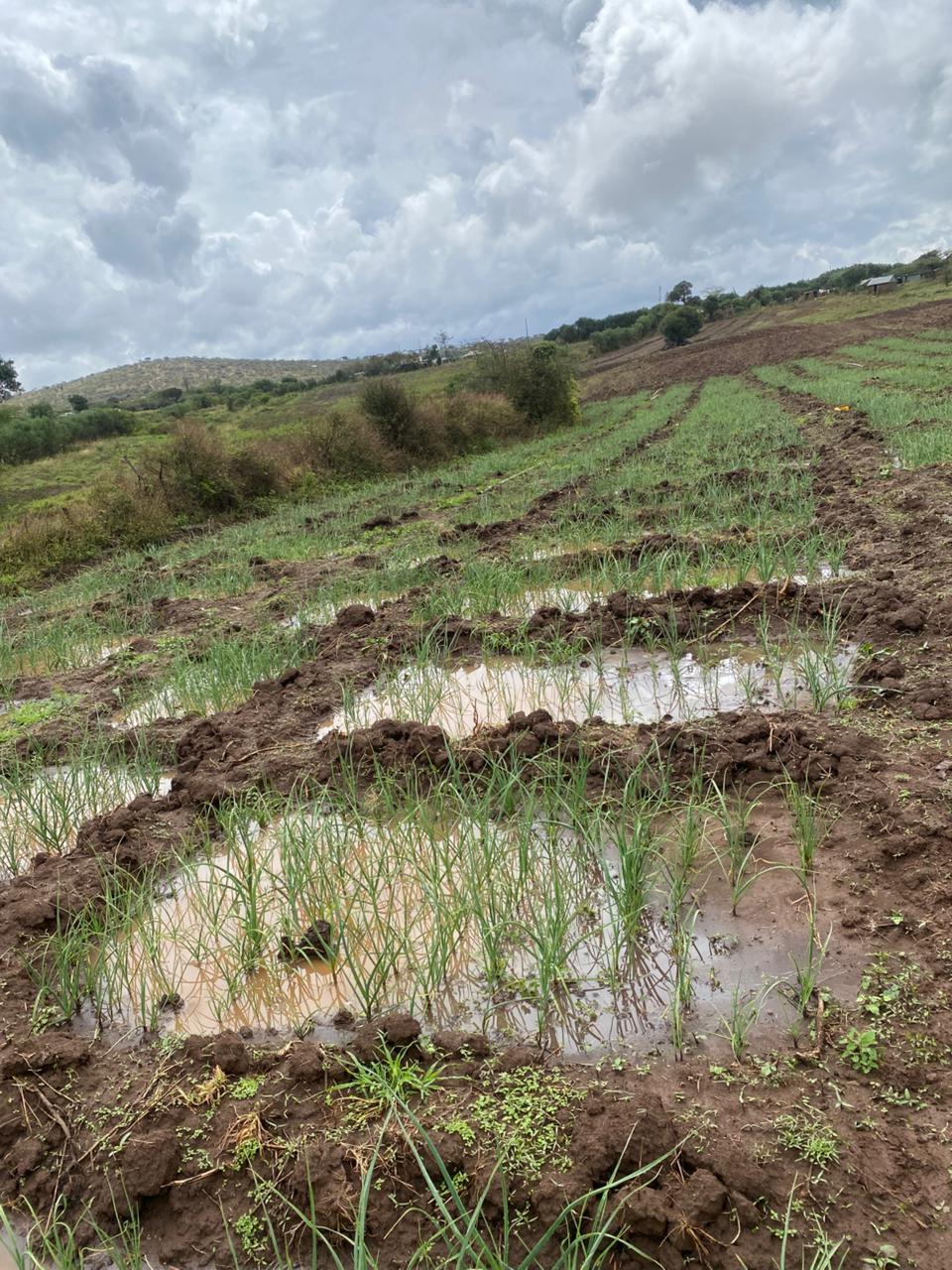
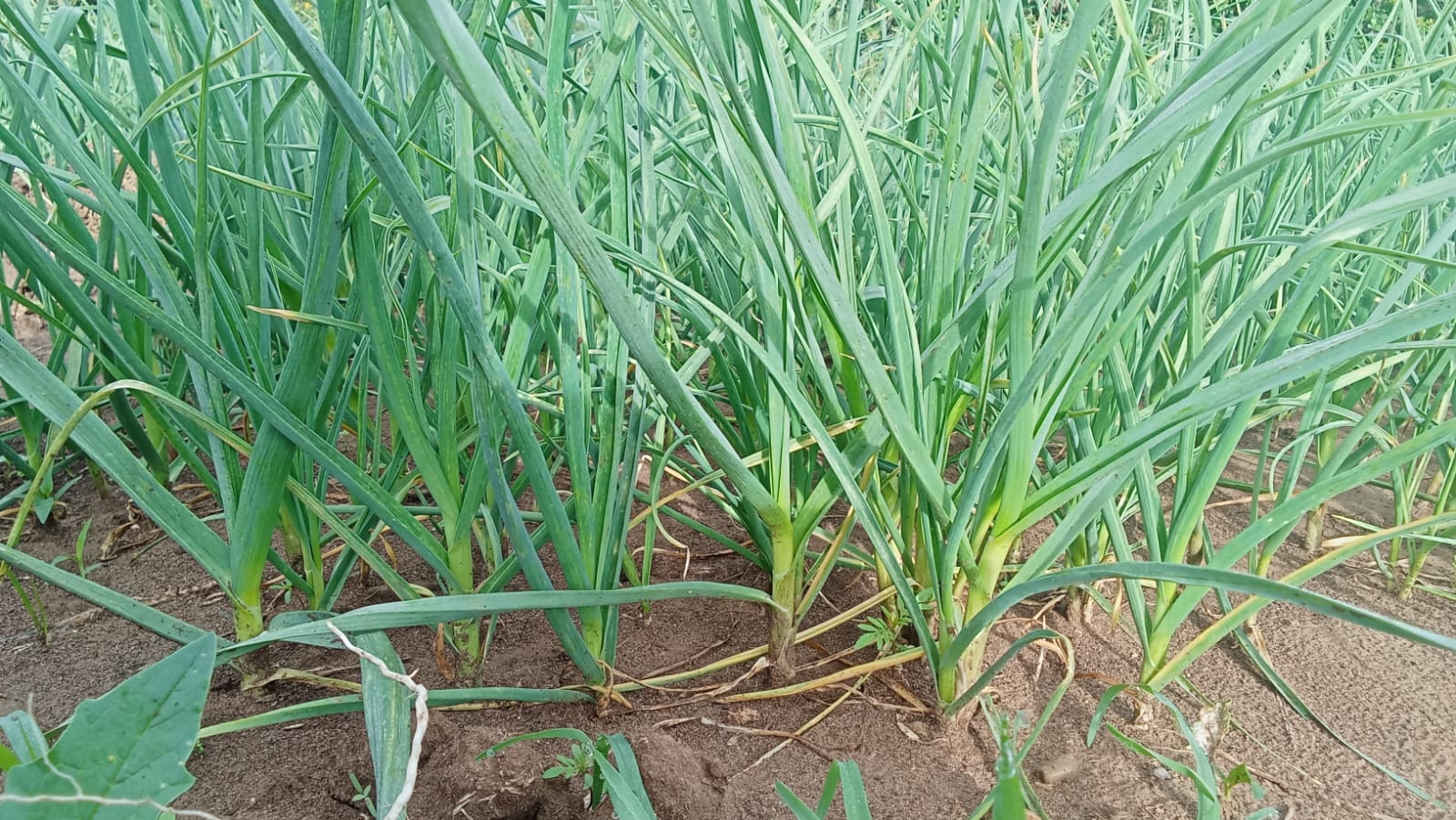
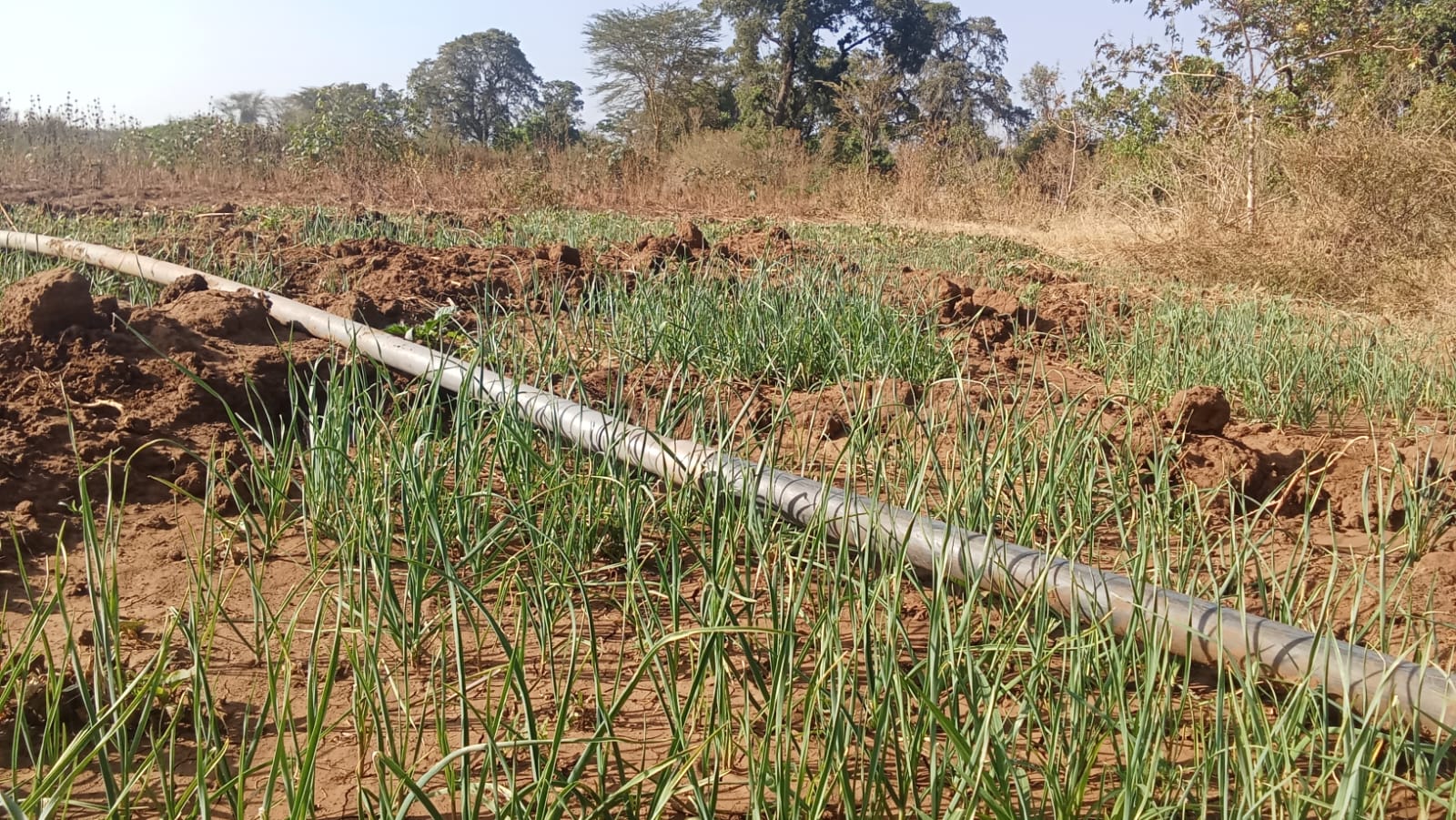
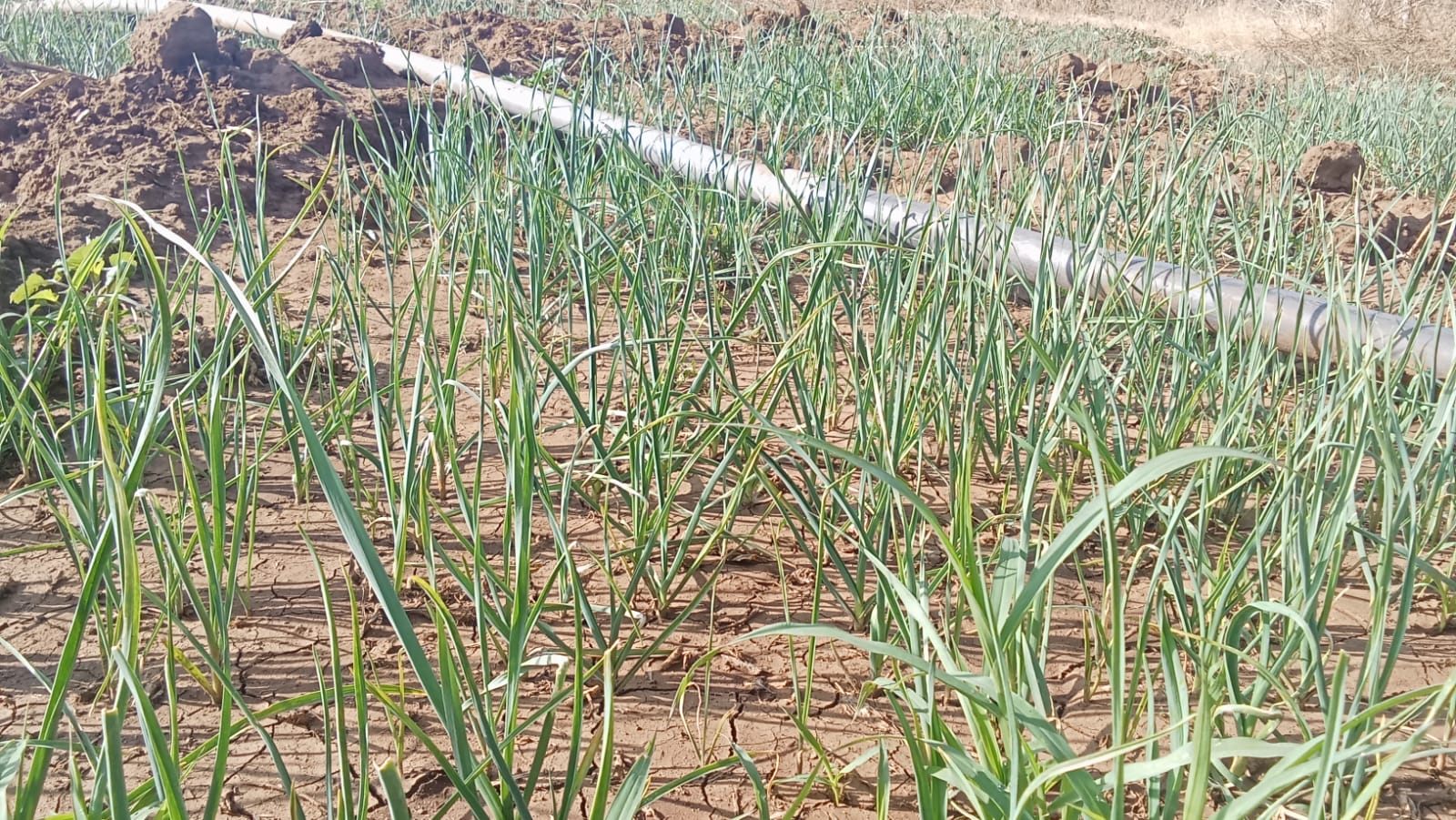
Key Achievements
- Infrastructure Development: Complete irrigation system established for sustainable farming
- Capacity Building: Comprehensive training delivered to 30 community members
- Community Engagement: Strong partnership with local youth group established
- Sustainable Foundation: Long-term agricultural production framework created
Future Recommendations
Scaling Opportunities
Expand the model to additional communities facing similar challenges, establish market linkages for crop sales, and develop monitoring systems for long-term impact tracking.
Community Development Focus
Continue supporting initiatives that address root causes of educational and economic challenges in rural communities.